

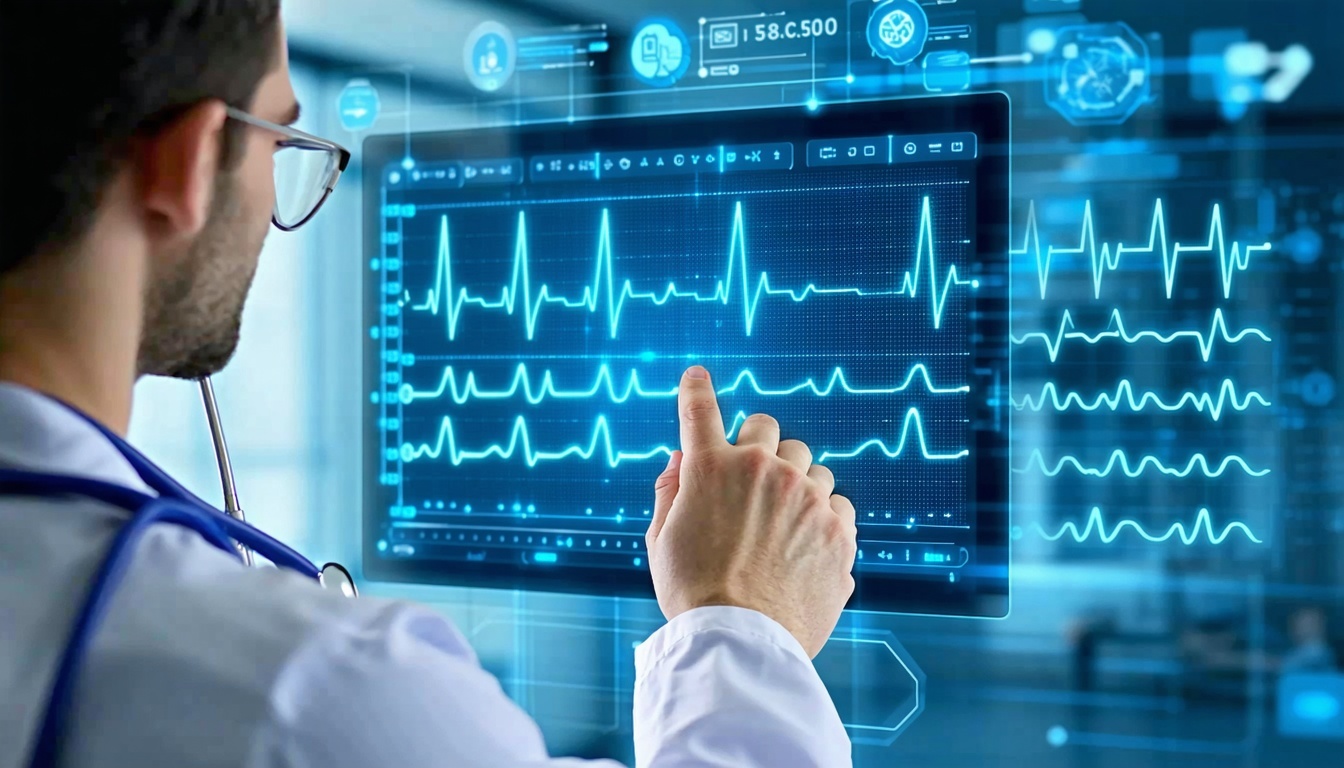
State of Connectivity: Explore the transformative impact of remote patient monitoring on healthcare delivery, enhancing patient care through advanced connectivity and interoperability.
Revolutionizing Patient Care with Remote Monitoring
The advent of remote patient monitoring (RPM) technologies is revolutionizing patient care. By leveraging wearables, sensors, and remote monitoring systems, healthcare providers can continuously track patients' health metrics in real-time. This proactive approach allows for early detection of potential health issues, enabling timely interventions and significantly improving patient outcomes.
RPM extends the continuum of care beyond traditional clinical settings, empowering patients to manage their health more effectively from home. The integration of these technologies into healthcare systems fosters a more patient-centered approach, enhancing the overall quality of care and ensuring better health management.
Leveraging Interoperability for Seamless Healthcare Delivery
Interoperability is the cornerstone of effective remote patient monitoring. Ensuring that medical devices, electronic patient records (EPRs), and other digital health tools can communicate seamlessly is crucial for efficient healthcare delivery. Achieving interoperability facilitates better care coordination, data-driven decision-making, and improved clinical outcomes.
By creating an infrastructure that supports real-time data transmission and sharing, healthcare providers can work collaboratively across departments to deliver holistic patient care. This integrated approach reduces friction between clinical teams, operations, and business units, ultimately leading to enhanced patient care and operational efficiency.
Key Performance Indicators for Successful Implementation
Measuring the success of remote patient monitoring initiatives involves several key performance indicators (KPIs). Enhanced patient care is a primary KPI, with metrics such as improved patient outcomes, reduced hospital readmissions, and higher patient satisfaction scores serving as indicators of success.
Other important KPIs include internal collaboration effectiveness, which reflects the streamlined coordination between various healthcare teams, and increased operational efficiency, demonstrated by reduced operational costs and optimized resource allocation. These KPIs provide valuable insights into the effectiveness of RPM solutions and guide future improvements.
Strategic Planning and Personnel Involvement
A successful digital health strategy requires comprehensive strategic planning and the involvement of key personnel. Executive leadership, including the CEO, CIO, and CTO, plays a crucial role in driving the strategy forward. Clinical leadership, such as the Chief Medical Officer and Chief Nurse, ensures that the solutions align with clinical needs and priorities.
IT and technology teams, including HTM, EBME, and ITS leads, are essential for implementing and maintaining the technological infrastructure. End-users, such as CNAs, RNs, and physicians, must be trained and proficient in using the new tools. This collaborative approach ensures that all stakeholders are engaged and that the digital health strategy is effectively implemented.
Expanding and Innovating Remote Patient Monitoring Solutions
The initial implementation of remote patient monitoring solutions often yields significant improvements in patient care and operational efficiency. These positive outcomes create opportunities for further expansion and innovation. Healthcare organizations can explore integrating advanced analytics, AI-driven insights, and expanded telehealth services to enhance their RPM capabilities.
Continuous innovation in remote patient monitoring allows healthcare providers to stay at the forefront of digital health, delivering more personalized and effective care. By embracing new technologies and approaches, organizations can drive continuous improvement and better meet the evolving needs of their patients.